
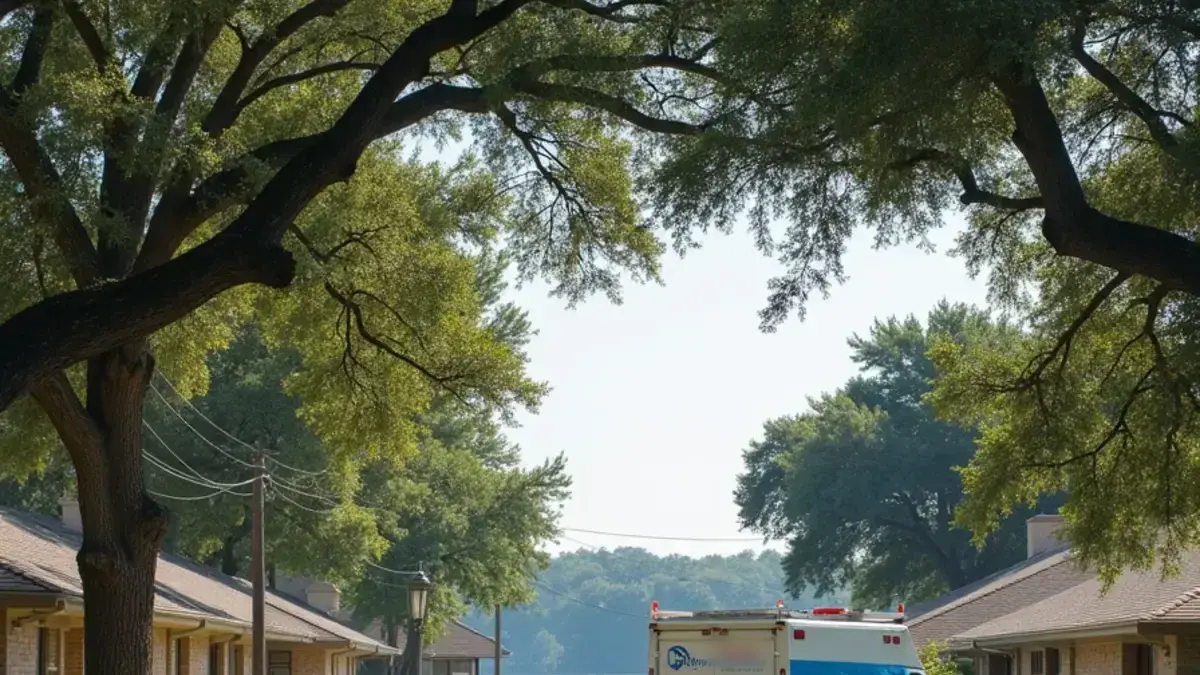
Lake lots and long-lived homes
A 1970 lake city, resort-era homes and their original supply lines
A lakeside resort community that became a city of retirees, commuters and newcomers.
The city began as a resort and retirement community on the shore of a young reservoir. Belton Lake started filling in March 1954, and residents here voted to incorporate in 1970. The resort roots are still in the name.
Growth since then has been steady rather than sudden. Population rose from 2,989 in 2000 to 4,636 in 2020, and housing units from 1,194 to 1,908. Original lake homes now share their streets with plenty of newer infill.
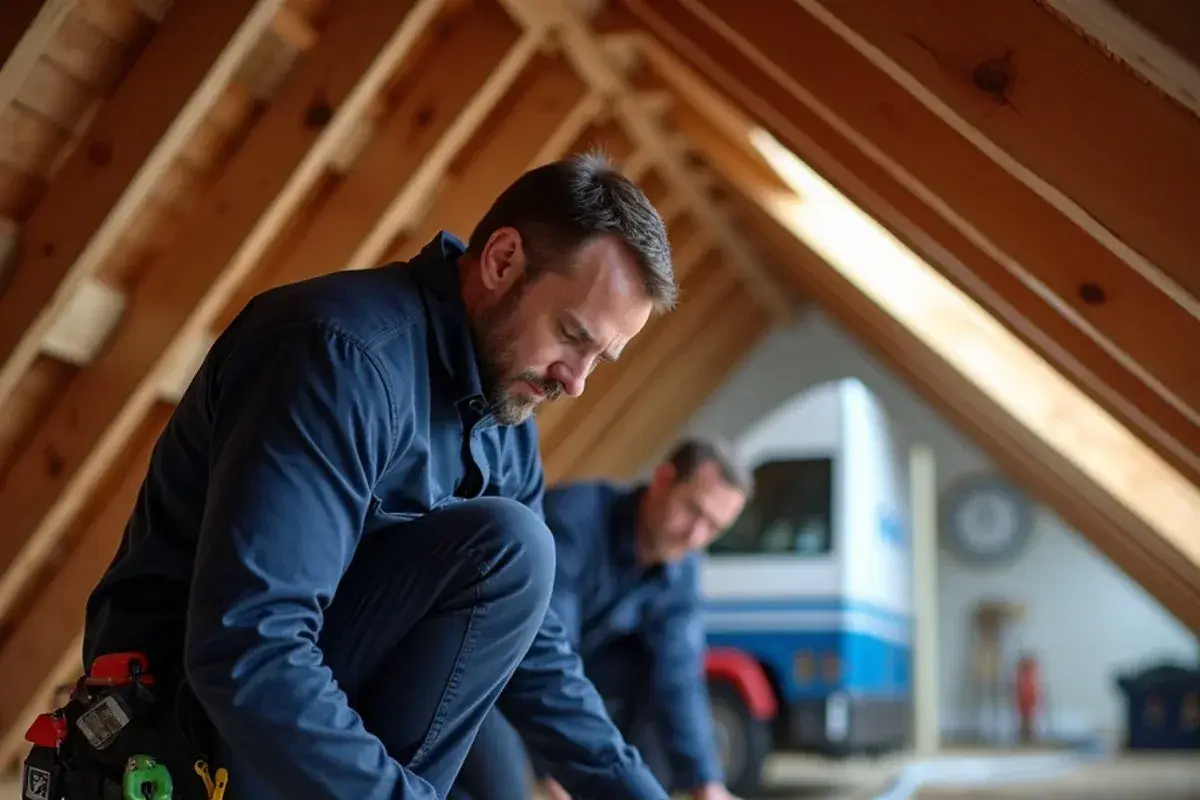
The resort and retirement roots still show in the census. The 2020 median age was 42.3, and 18 percent of residents were 65 or older. Homes from the city’s early years are old enough that their original supply lines, heaters and shut-off valves are the weak points. A tank heater typically lasts about 10 to 15 years, so even a replacement installed in the 2000s may now be due.
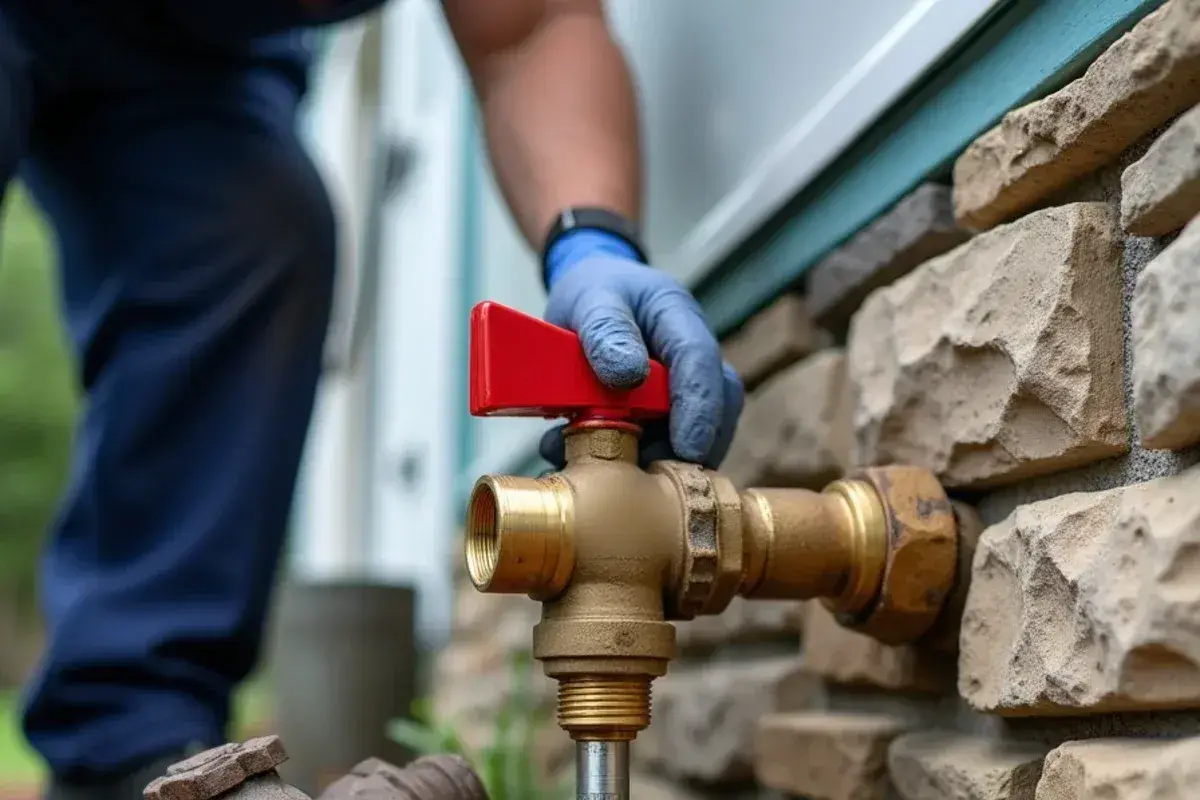
Lake houses also sit empty more often than most. A weekend place, or a home left while the owners travel, can leak for days before anyone sees it. A main shut-off that closes fully is the cheapest protection a lake house can have.
Water, lake and shoreline
Temple-treated Leon River water, the city marina and the east shore
The water arrives from across the county, and the lake shapes how people use their homes.
The tap water comes from the City of Temple. The city buys treated surface water drawn from the Leon River, disinfected with chloramine. Its 2025 report listed total hardness near 174 mg/L, roughly 10 grains per gallon. The city has also prepared a lead-and-copper service line inventory.
Belton Lake is a Corps of Engineers reservoir on the Leon River, impounded in 1954, with its conservation pool raised 25 feet in 1972. The city marina has grown from 84 slips to 148 over three phases, and paddling trails such as Camp Kachina, Tanyard Springs and Mother Neff follow the shoreline.
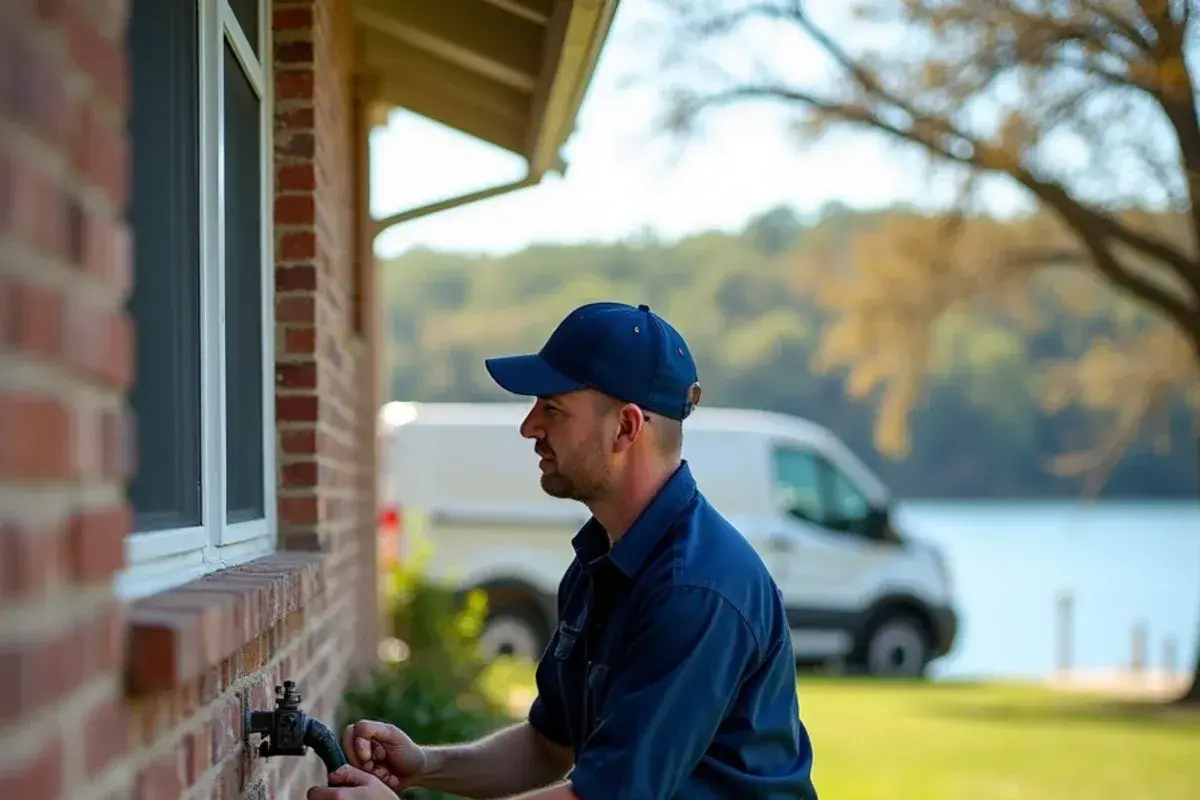
The calls here lean toward repipes of original supply lines, heaters scaled by hard water and leaks found through a jump in the bill. Outdoor faucets and yard lines that work hard all summer by the water come up too.