
Scope
Tankless water heaters in Georgetown, TX: what the install covers
Hanging the unit is the quick part. The gas, venting and water connections decide how well it runs for the next twenty years.
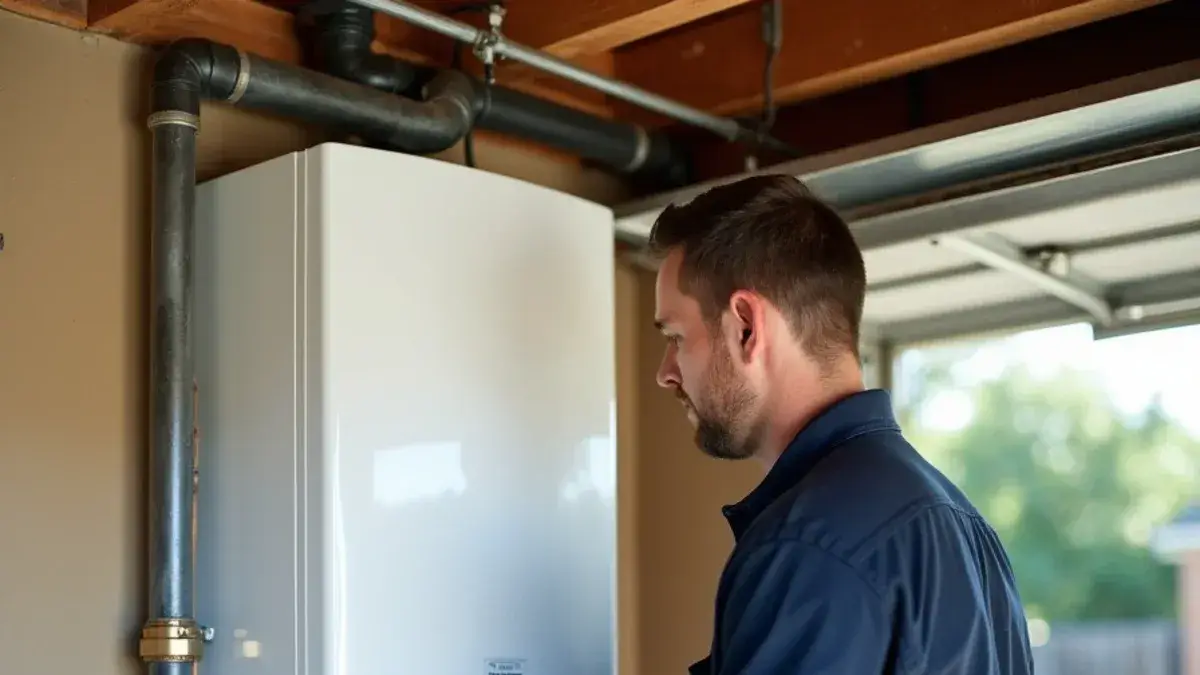
A tankless heater fires a large burner the moment a hot tap opens and heats water as it passes through a heat exchanger. That burner needs far more gas at once than a tank does. It also needs a vent route, a condensate drain on condensing models, and a way to flush mineral out of the exchanger.
Getting those pieces right is most of the job. We look at peak demand, the gas supply from the meter and the vent path before recommending a unit. That way you are not stuck with a heater the house cannot feed.
- Conversions from a gas or electric tank, including removal of the old heater
- Sizing to the number of fixtures that run at once and to winter inlet temperature
- Gas line upsizing, sediment trap and shut-off from the meter to the unit
- Venting, condensate drains and neutralizers for condensing models
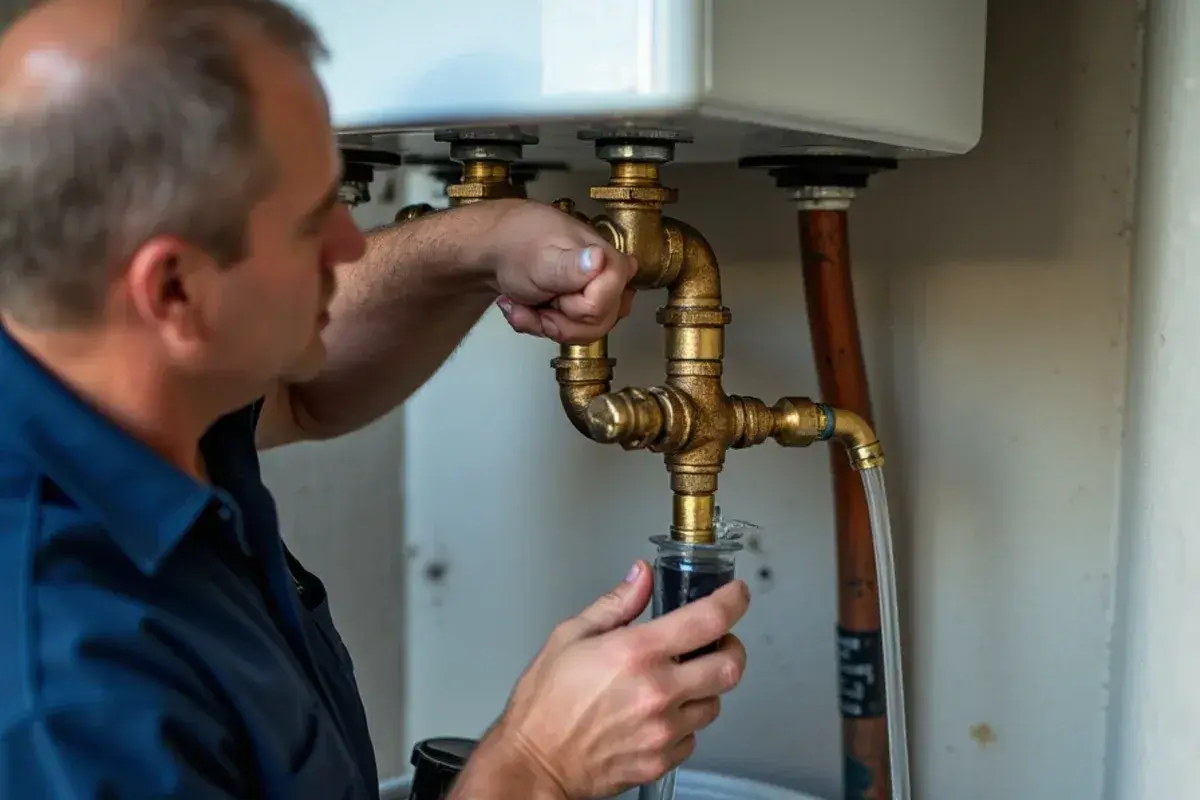
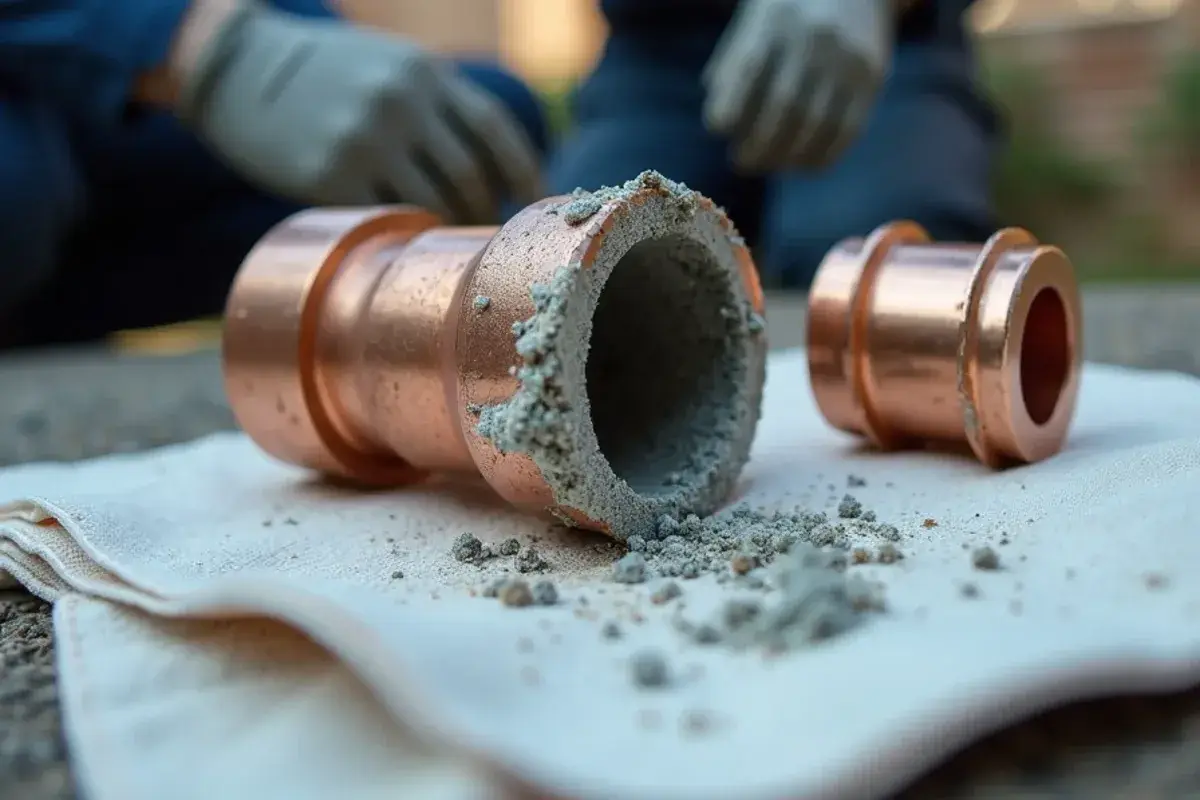
- Isolation valves fitted for descaling, plus scheduled descaling of existing units
- Repair of flame failures, scale faults and flow-sensor problems
Is it right for you?
When does going tankless make sense in a Central Texas house?
It is a strong upgrade for some homes and a poor one for others.
Energy.gov puts storage tanks at roughly 10 to 15 years and tankless units at 20 or more. If your tank is near the end and you plan to stay, that longer life counts. So does the wall space a garage gains when the tank is gone.
The limits are real too. Energy.gov notes that tankless output is limited to about 2 to 5 gallons per minute. A house running two showers and a washer together may need two units. And local water matters: at the 19 grains measured at two city plants, an exchanger without upkeep scales up fast.
Tankless usually fits when:
- Your current tank is past ten years and you expect to stay a while
- Natural gas is already in the house, or the gas run from the meter is short
- There is an exterior wall or roof route for venting
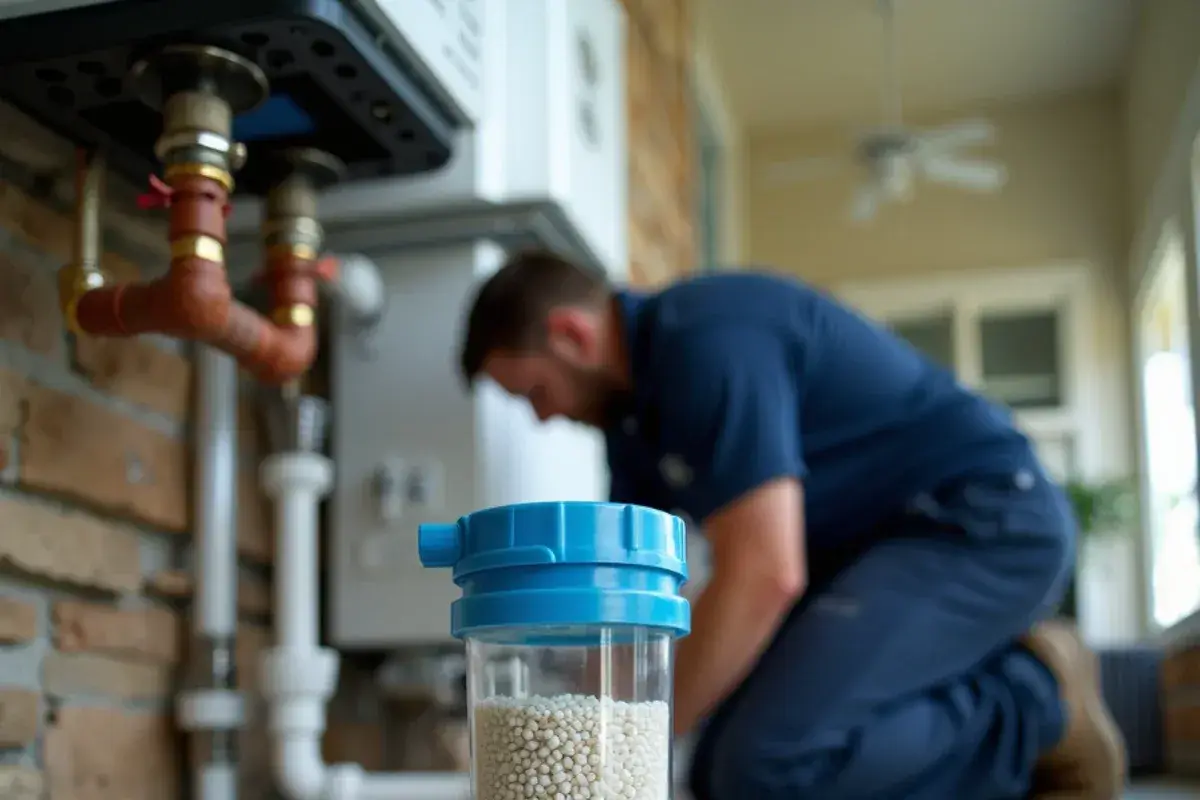
- You will descale every year, or treat the water ahead of the heater
- Peak demand is two or three fixtures at once, not five
The project
Sizing, gas, venting, start-up: the tankless install sequence
A conversion is usually a one-visit project once the permit is in hand.
Survey the house
We count bathrooms and simultaneous fixtures, note where the current heater sits, and trace the gas run back to the meter. Pipe size and length decide how much gas can reach the new unit.
Size the unit and quote the project
Flow rate is matched to your peak use at the coldest inlet temperature of the year. You get a quote covering the heater, gas work, venting and permit, with any alternatives explained.
Pull the permit and remove the tank
With the permit filed, the old tank is drained and hauled away. Its gas connection and flue are capped or removed so nothing is left open.
Run gas, vent and water
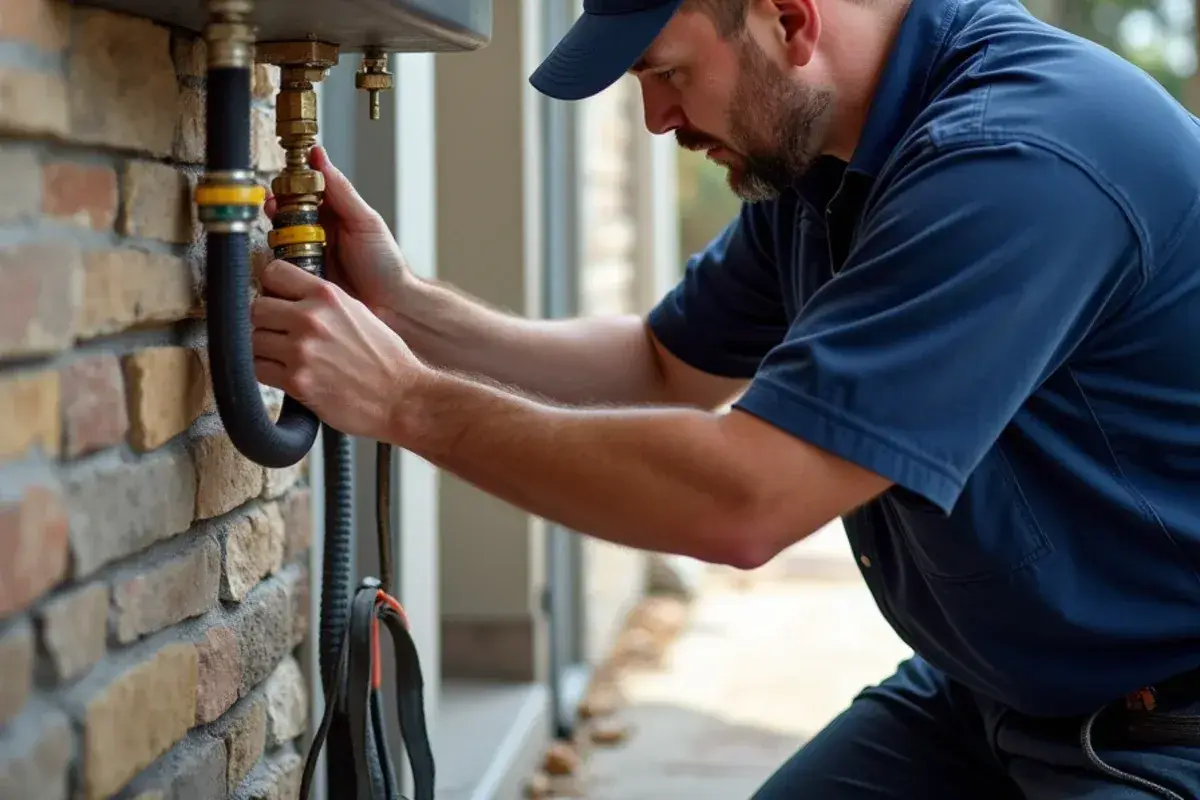
A properly sized gas line goes in with a sediment trap and shut-off. The vent runs to the exterior on the manufacturer’s specified path, and isolation valves go on the water lines.
Commission the heater
We purge air from the lines, check gas pressure with the burner at full fire, confirm the condensate drain flows and set the outlet temperature. Every connection is leak-tested.
Walk through care and descaling
You see where the isolation valves are, how a descaling flush works and what the error display means. Then the inspector visit is scheduled to close the permit.
Cost
What drives the cost of a tankless conversion?
The heater is one line on the quote. The house decides the rest.
| Factor | What changes |
|---|---|
| Gas supply | A short run from the meter may need nothing; a long, small line needs upsizing. |
| Venting | A straight path through an exterior wall is simpler than a long run through the attic. |
| Location | Moving the heater from a closet to a garage wall adds water and gas piping. |
| Condensing or not | Condensing units need a condensate drain and often a neutralizer. |
| Number of units | High simultaneous demand may call for a larger unit or two in tandem. |
| Water treatment | A softener ahead of the heater reduces descaling but adds equipment. |
Over twenty years, upkeep matters as much as the install. A unit that is descaled on schedule holds its efficiency; one that is ignored on hard water can lose output within a few years. We quote on site after the survey.
Gas and permits
Can the gas line handle it? Permits, Atmos and code
Most conversions involve both a water heater permit and gas work, so the rules overlap.
The City of Georgetown lists water heater replacement among the projects that need a permit, and nearby cities require permits for gas line work as well. Gas piping and connections follow city code and Atmos Energy’s rules. If the meter itself cannot supply the new load, that request goes to Atmos.
Across Texas, the State Board of Plumbing Examiners regulates plumbing and gas piping, and each plumbing company works under a Responsible Master Plumber. The board’s free public search lets you check any contractor before you sign.
Why Alta Vista Plumbing
Why homeowners trust a tankless switch to Alta Vista Plumbing
A heater meant to last twenty years deserves an installer who will still be here.
Alta Vista Plumbing has worked on water heaters in and around Georgetown since 1999, with a 4.7 average across 436 Google reviews. Customers who replaced heaters with us say we set out the options and explained each one before quoting.
That matters here, because tankless is not right for every house. If a well-chosen tank or a standard water heater repair makes more sense, you hear that. When tankless does fit, we size it, pull the permit and leave you with valves that make descaling simple.
What customers say about our water heater work
4.7 average from 436 Google reviewsRead our Google reviews
Excellent plumbing company with knowledgeable and professional staff. They repaired my plumbing issue promptly and in a very timely manner from my initial contact. They showed up on time and were ready with materials and supplies to complete my repair issue. We will use them again without hesitation.
Jared was amazingly helpful and thorough. He managed to balance being a genuinely nice guy with his professional know-how which made having him do the work a pleasure. Steve Maldonado responded in a timely fashion and always kept me up to date with what was happening. His responsiveness and professionalism were what made me give the job to Altavista Services in the first place.
These guys are amazing! Wonderful customer service and very trustworthy. I will definitely be calling them in the future for any plumbing work. I highly recommend them! You won’t regret it!