Houses and ground
Brick-town houses and new US 290 subdivisions on Blackland clay
A railroad depot town that fired its own bricks, now growing fast on moving ground.
The Houston and Texas Central built through in 1871 with a flag stop called Glasscock. The town was platted and renamed in August 1872 for railroad land commissioner Robert Morris Elgin, then incorporated in 1873. Brickmaking began in 1884 and earned it the nickname Brick Capital of the Southwest.
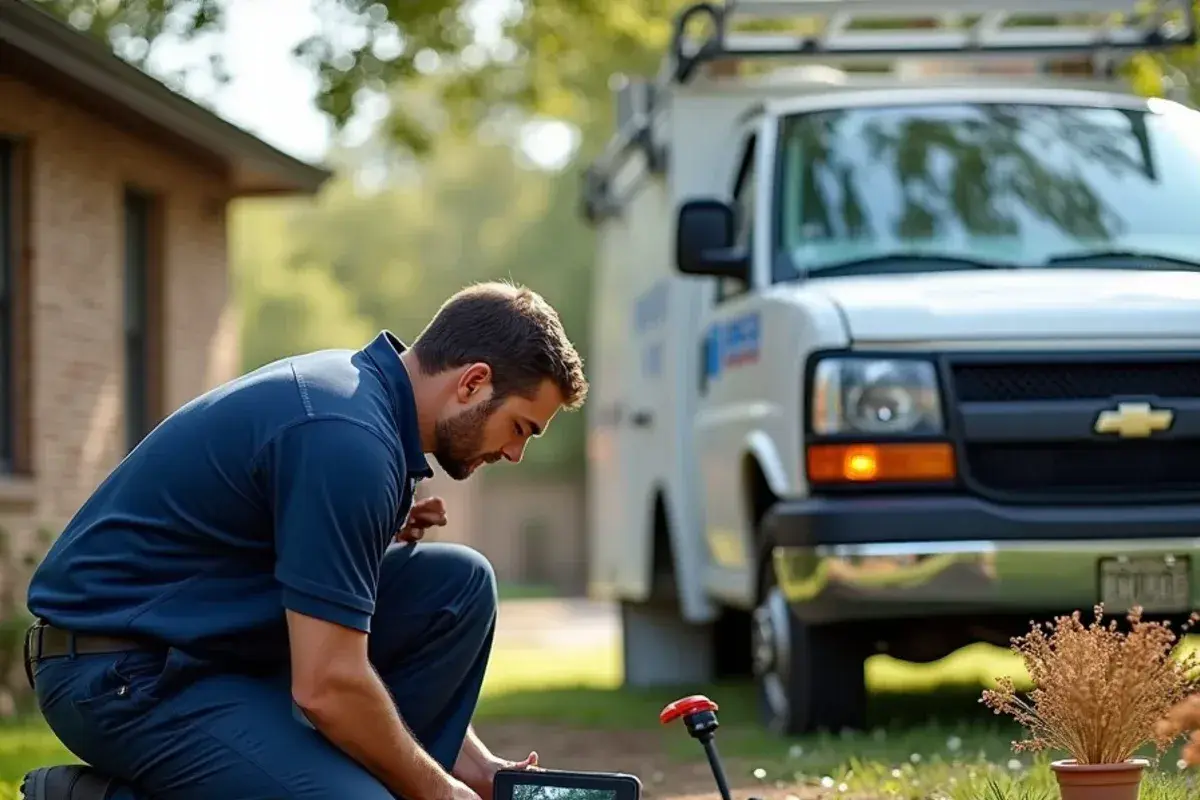
Early-1900s frame and brick houses around downtown often carry a mix of original and replaced pipe. Newer subdivisions along US 290 filled in as the population doubled, from 4,846 in 1990 to 9,784 in 2020.
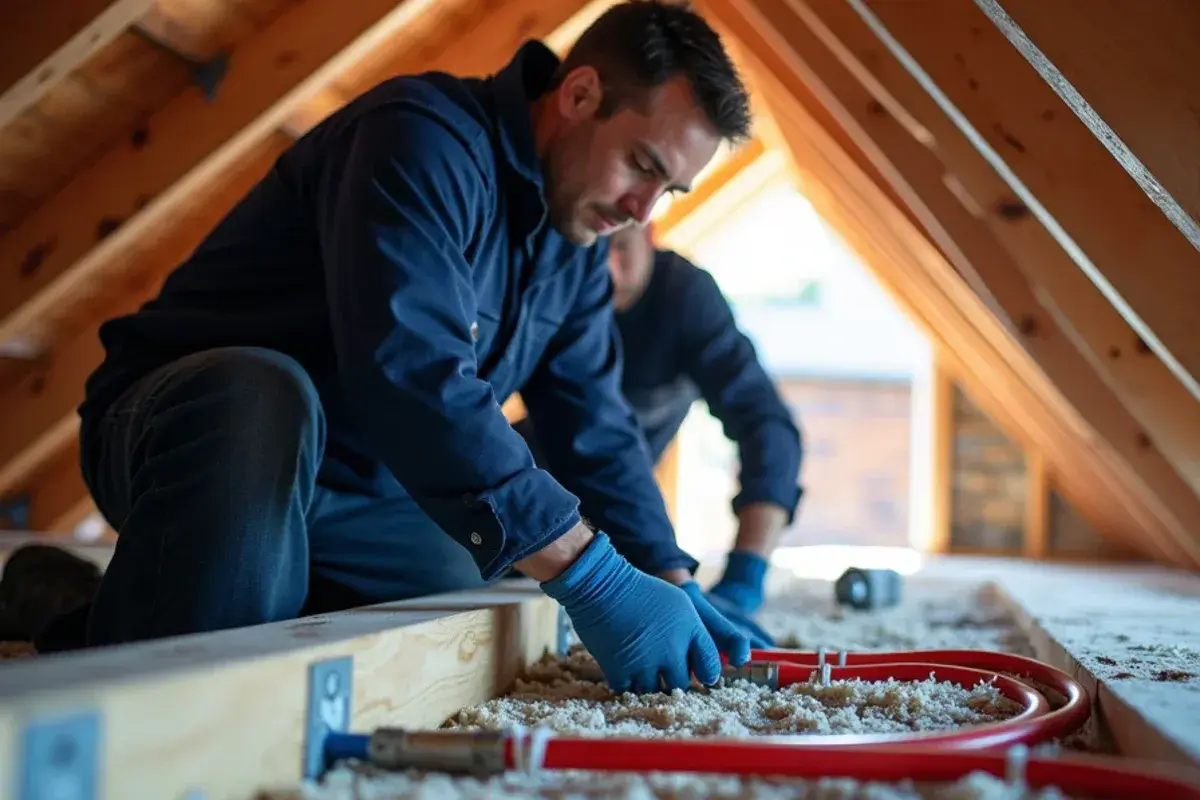
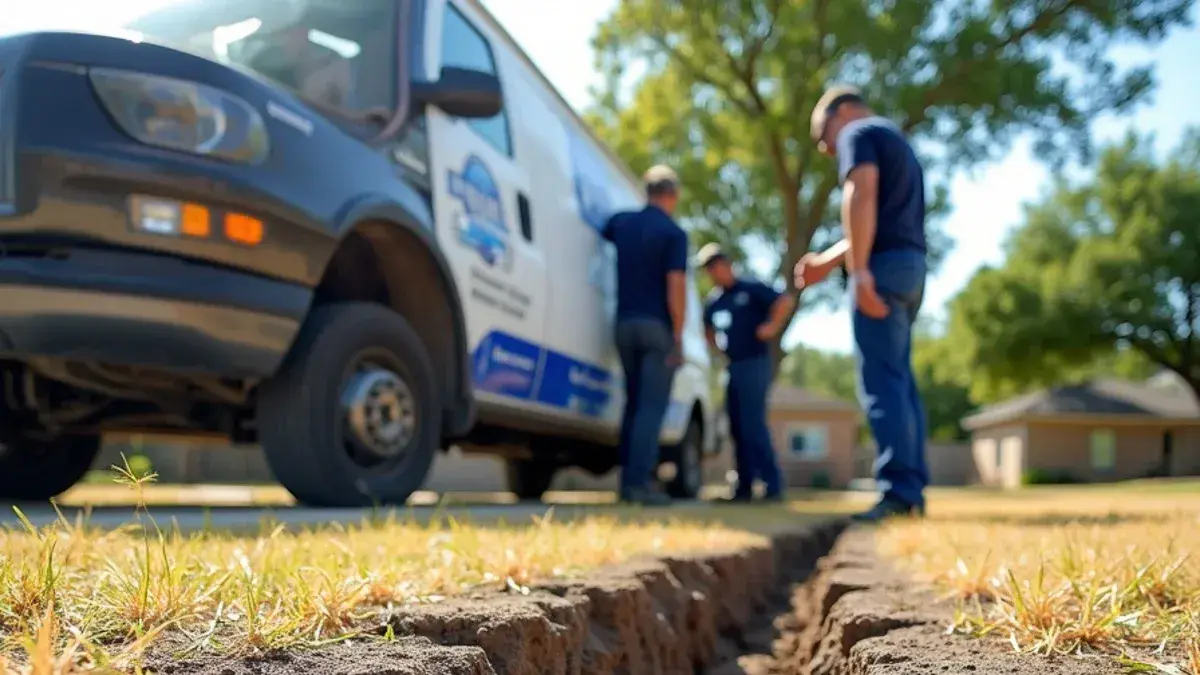
Everything rests on Blackland clay. It swells after rain and shrinks into wide cracks in a dry August, and a slab foundation rides that movement. Supply lines and drains under the slab take the strain. That is how a sound house develops a warm spot on the tile or a sewer line with a belly.
City water comes from three active Carrizo–Wilcox wells and is treated to strip out iron and manganese. The 2024 service line inventory of more than 4,300 connections found no lead on the city side. On the customer side it found one lead line and fewer than 20 galvanized lines.
Local knowledge
US 290, SH 95 and the brick downtown
Roads, the city utility and the jobs the clay keeps handing us.
US 290 carries traffic west toward Austin and east toward Giddings. SH 95 crosses it, running north to Taylor and south 15 miles to Bastrop. During World War II, nearby Camp Swift kept local businesses busy, and the brick and tile plants kept firing for decades after.
Elgin Hot Sausage made the local link famous, and the town now calls itself the Sausage Capital of Texas. The city rates its water system Superior under TCEQ criteria, reported no TCEQ violations in 2025, and is building flood mitigation along Kennedy Street.
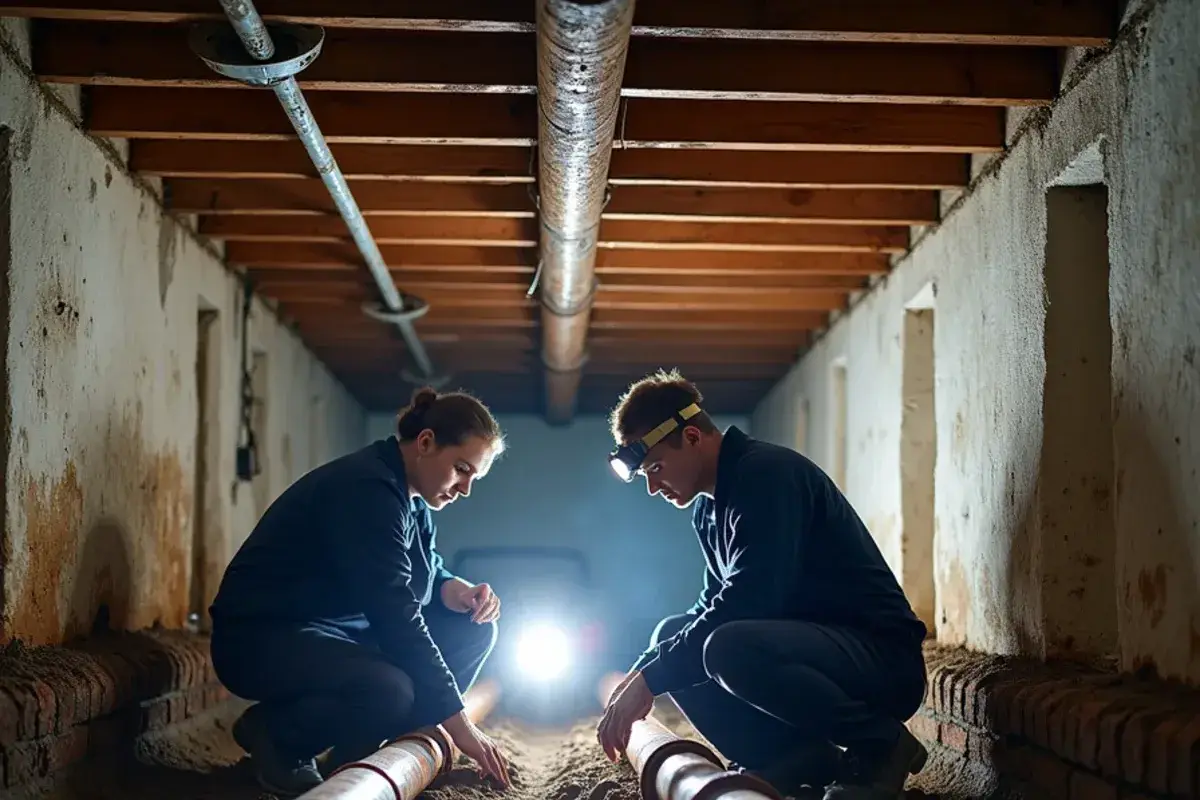
The calls we take follow the clay and the age of the house. Slab leaks under 1990s and 2000s homes off US 290. Sewer laterals pulled apart by soil movement. Galvanized and cast iron in the older houses near downtown that have never been fully repiped. And first water heaters in the newer subdivisions reaching the end of their run.