
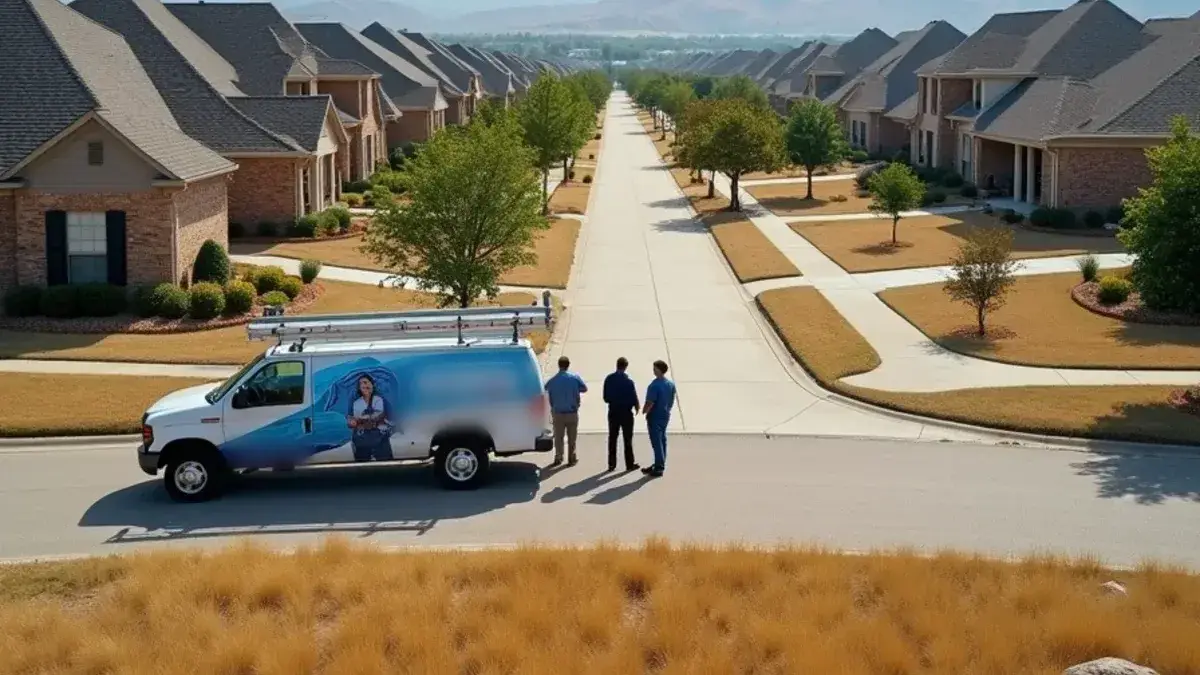
Rail stop to Army city
From a Santa Fe whistle stop to rows of rental slab homes
Two booms built this city: the railroad in 1882 and the Army from 1942 on.
The town began as a railroad stop. The Gulf, Colorado and Santa Fe bought the land in 1881, and the first train came through in May 1882. The town took the name of Frank P. Killeen, the railroad’s assistant general manager. A public water system followed in 1914, and WPA crews built a new water and sewer system in the 1930s.
Then the Army arrived. Camp Hood opened on September 18, 1942, and the town grew from 1,263 people in 1940 to 23,377 in 1960 and 86,911 in 2000. The post was renamed Fort Cavazos in 2023 and has been Fort Hood again since June 2025.
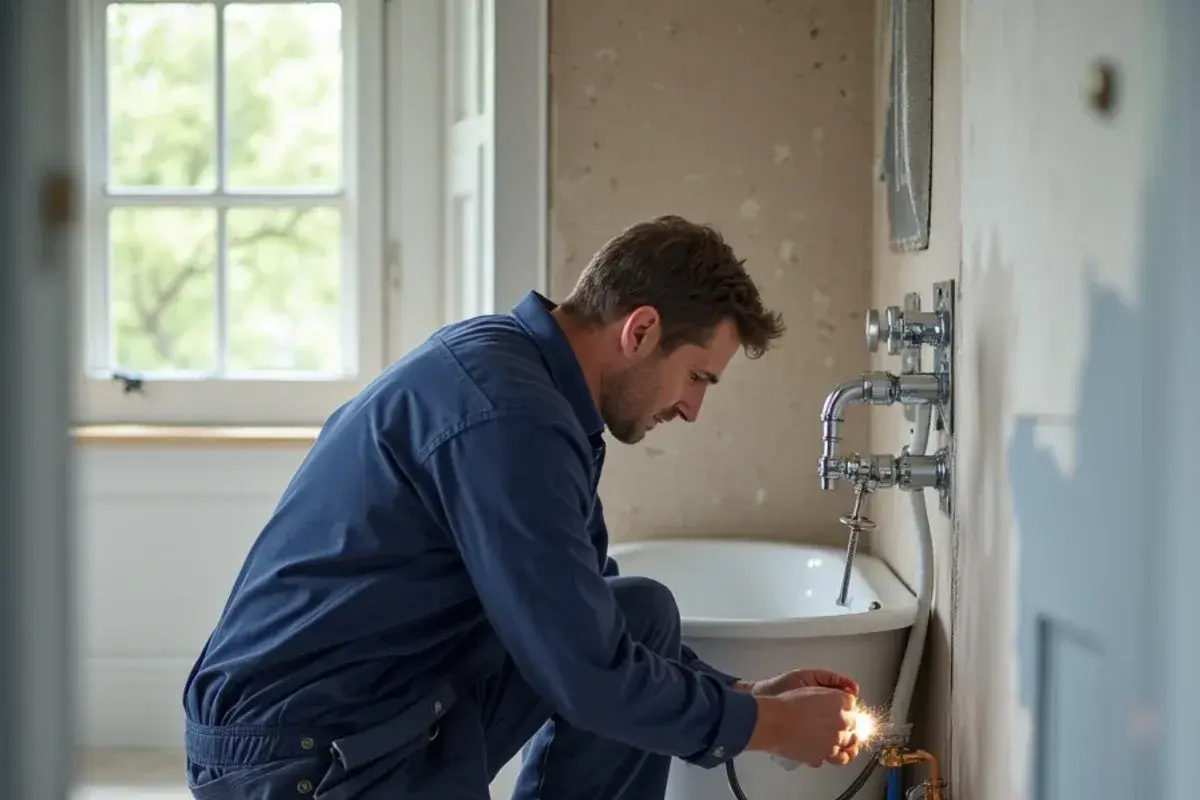
Most houses went up during that growth. Census estimates put the median construction year at 1999, and about half of occupied homes are rented. Slab foundations and plastic drain lines are the norm, while houses from the 1960s and 1970s may still carry cast-iron drains under the floor.
Rentals in a military town turn over often, and property managers need plumbing finished between one lease and the next. A dripping tub valve or a slow drain the last tenant tolerated becomes the first line on the next move-in report.
City water and sewer
WCID No. 1 lake water, private laterals and the city’s smoke tests
What the city owns, what the owner owns, and what a permit covers.
The city buys treated water from Bell County WCID No. 1, which draws from Lake Belton. Its 2025 water report adds Stillhouse Hollow Lake as a second source. The city runs the mains and sewers, including about 600 dead-end flushers that keep water moving at the ends of lines.
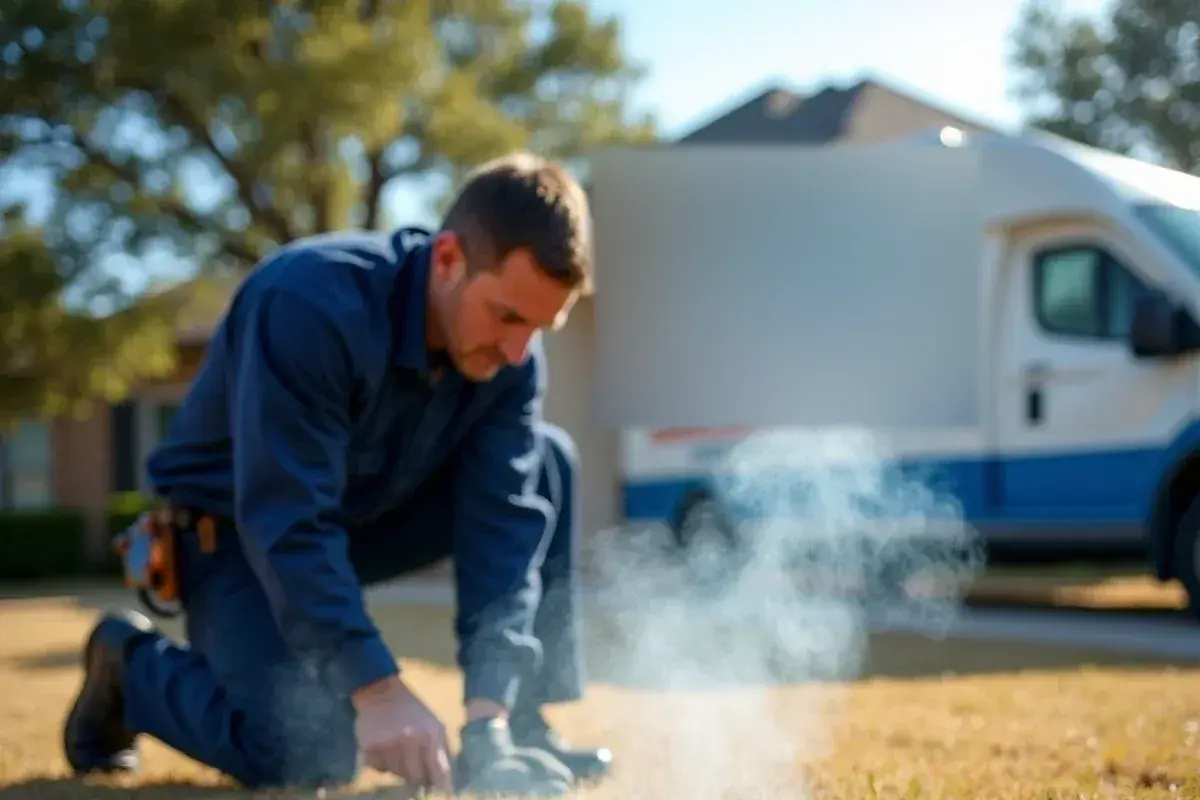
Two programs matter to owners. A ten-year smoke-testing program begun in December 2024 checks about a tenth of the sewer system each year. Smoke rising from a yard can expose a broken lateral or a missing cleanout cap. The city also arranged coverage for residential laterals in the public right-of-way, but the private side stays with the owner.
Replacing a water heater needs a city plumbing permit. The fee schedule lists water heater replacement under plumbing permits, applications go through an online portal, and the city has adopted the 2024 ICC codes.