

February 2021
What did Winter Storm Uri do to Central Texas plumbing?
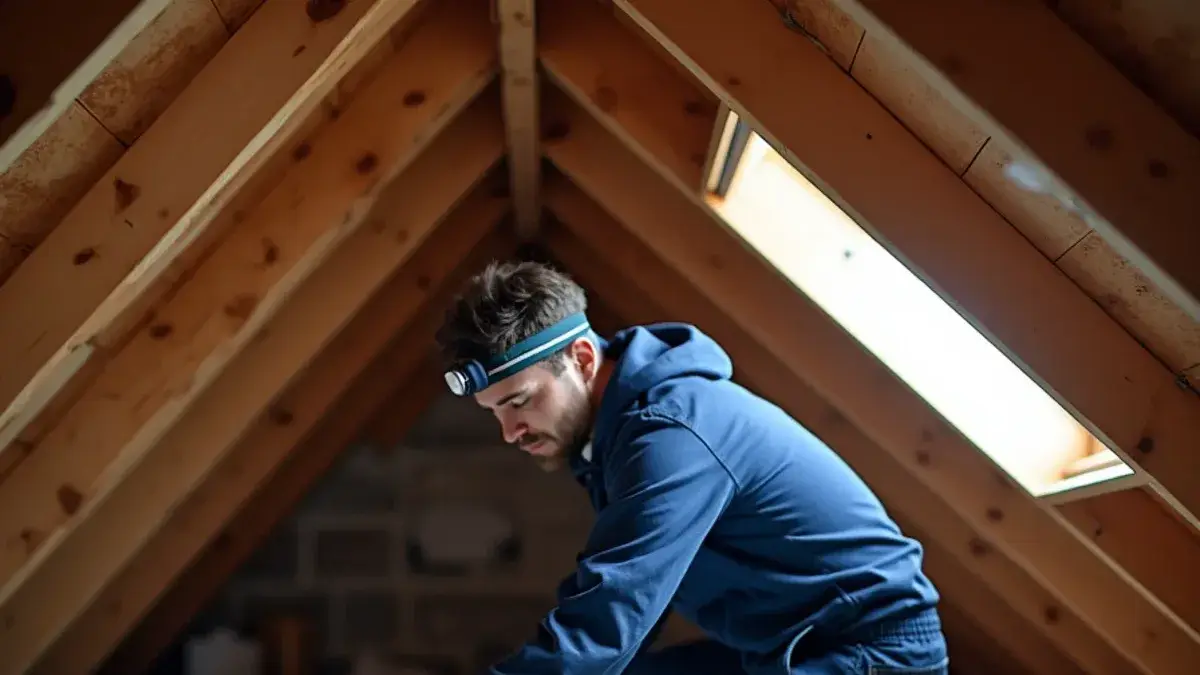
Central Texas houses are built for heat. For about a week in 2021, that design was tested by sustained cold.
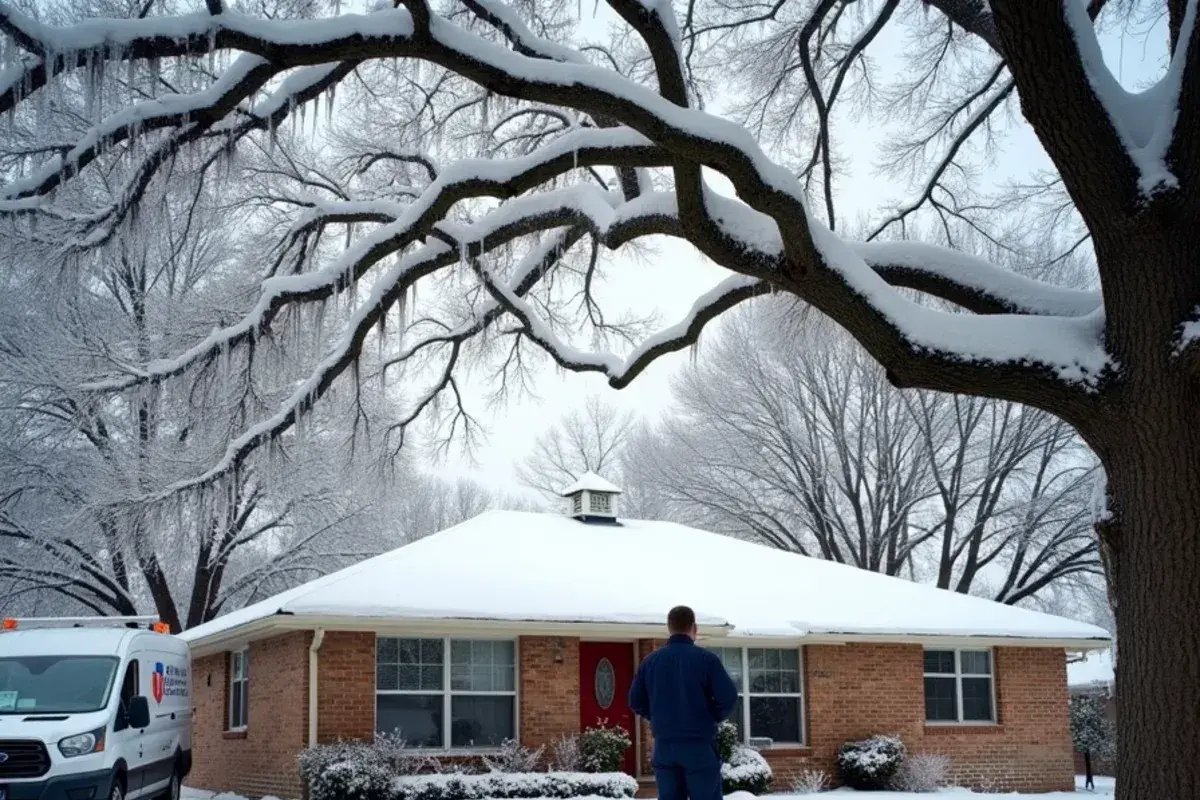
The National Weather Service office for Austin and San Antonio calls it an unprecedented eight-day stretch of winter weather, from February 10 to 18. Arctic air arrived on the 10th, freezing rain glazed the Austin metro on the 11th, and temperatures fell into the single digits and teens on the 15th.
Snow measured 7.0 inches in Round Rock and 5.2 inches in Georgetown that morning, and more ice followed on the 16th and 17th. The weather service lists the results plainly: failed power grids and burst water pipes.
The power failure is what turned cold into damage. The Texas Comptroller reports that blackouts spanned most of the state from February 15 to 18. In all, 69 percent of Texans lost power at some point that week. Nearly half lost running water too, for an average of 52 hours.
Our own customers lived it. One called while "a stream of water was flowing slowly across my driveway" with snow still on the ground. Another had a pipe break inside the house and went "no running water for 5 days" before help arrived.
Weak points
Where do pipes freeze first in a Central Texas house?
Pipes freeze where cold air reaches them and house heat does not. In this climate, that is a predictable list.
| Where | Why it freezes | Lasting fix |
|---|---|---|
| Attic supply runs | Lines laid above the insulation sit in outdoor-temperature air | Reroute below the insulation or into conditioned space |
| Exterior walls | Little insulation between the pipe and the brick or siding | Move the line inward or insulate the cavity fully |
| Hose bibs | The valve and a short pipe sit right at the outside wall | Frost-free sillcock, hose removed, insulated cover |
| Garage water heater and laundry | Unheated room with exposed copper or PEX | Insulate exposed lines; keep the door shut in a freeze |
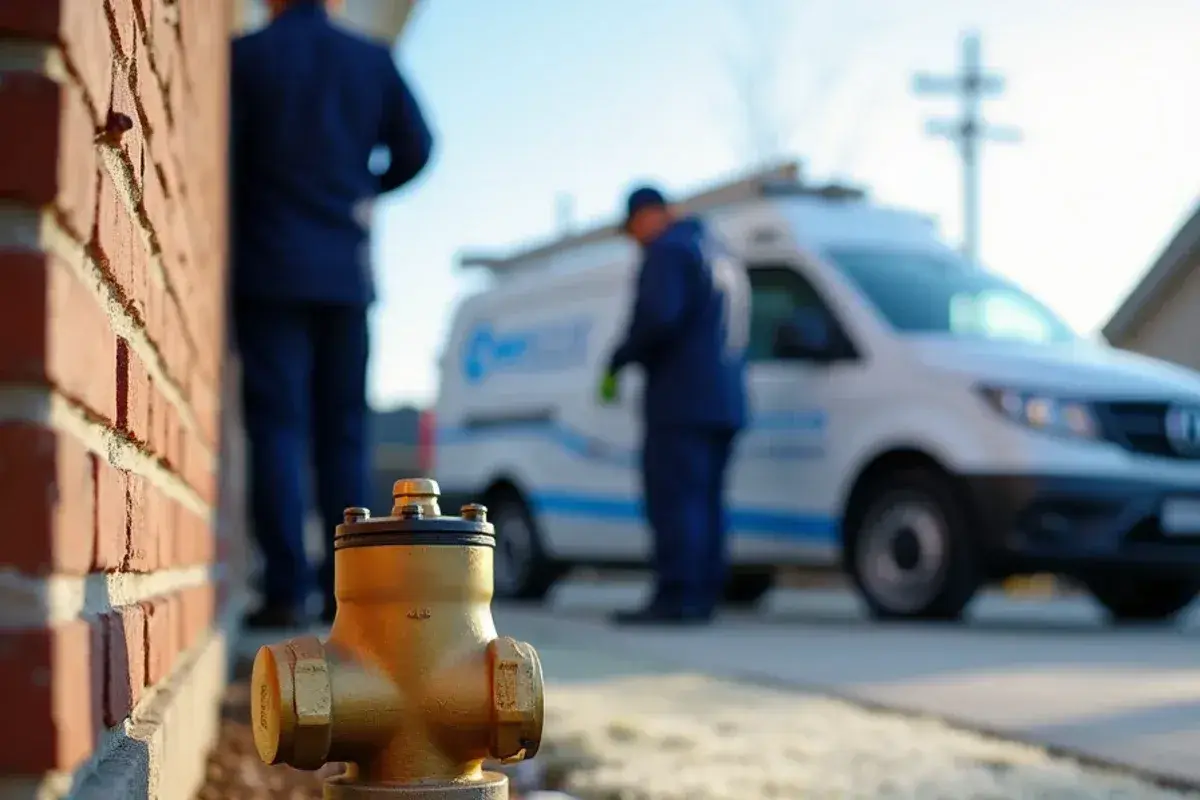
| Irrigation backflow preventer | Brass assembly standing above ground in the wind | Drain it before a freeze and use an insulated cover |
| Well head and pressure tank | Exposed piping, and no pump at all without power | Insulated enclosure; drain plan for outages |
Older houses add their own weak points. In Round Rock, the 1970s–80s neighbourhoods west of I-35 sit in or near the 1978–1995 polybutylene window. Brittle grey PB and its crimp fittings do not forgive a freeze, and attic runs in those homes deserve a close look.
Rural lots carry a different risk. Around Jarrell, water comes from Jarrell-Schwertner WSC or, on rural lots, private wells. A well pump stops the moment the power does, and the exposed piping at the well head can freeze solid while the house is still warm.
Expert insight
Insulation, heat cable or relocation: which freeze-proofing holds?
Most freeze advice assumes the heat stays on. February 2021 showed what happens when it does not.
Foam pipe insulation slows heat loss; it does not add heat. In an ordinary overnight freeze that delay is enough. In a multi-day outage with the house cooling hour by hour, an insulated pipe in a cold attic still reaches freezing, just later.
Heat cable has the opposite weakness. It works well on an exposed run, but only while there is power, and the power is what failed statewide from February 15 to 18. Treat it as a first line, never the only one.
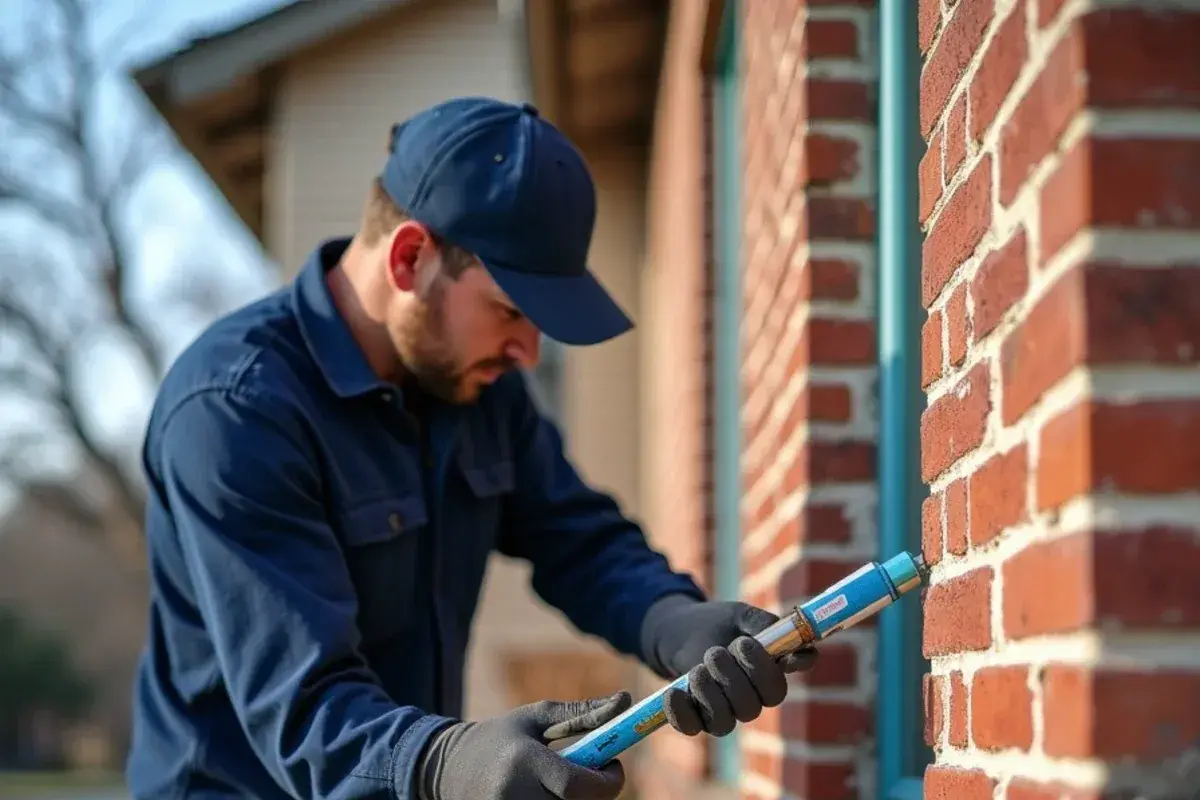
Relocation is the durable fix. A line moved below the attic insulation, onto the warm ceiling side, picks up house heat for as long as the house holds any. The same goes for pulling a pipe out of an exterior wall. It is more work once, and it protects that run for good.
Material matters less than people hope. PEX stretches where copper splits, so it often survives a mild freeze. Its brass fittings, valves and the fixtures at each end still crack, which is why a freeze-damaged PEX system usually leaks at a joint. Our burst and frozen pipe repair work shows that pattern again and again.
Dripping faucets helps only while the water keeps flowing. When pressure drops or a city asks people to cut use, as TDI notes can happen, the drip stops protecting anything. That leaves one reliable backstop for a long outage: an empty system cannot burst.
Outage plan
How do you drain the house when a long freeze takes the power?
If the heat is gone and the cold is staying, empty the pipes before they freeze. Do it in this order.
Close the main shut-off
Use the house valve near the front foundation, or the curb stop in the meter box with a meter key. TDI also tells anyone leaving the house before a freeze to turn the water off.
Shut down the water heater
Turn a gas unit to its off or vacation setting, or switch off the breaker for an electric one. Heating a tank that is losing water damages it.
Open the highest faucet, then the lowest
An upstairs sink lets air in, and a tub spout or the lowest faucet lets water out. Leave both open.
Empty the outside and the toilets
Open hose bibs, drain the sprinkler backflow assembly, and flush each toilet once with the supply off.
Kill the well pump on rural lots
Switch off the pump breaker and open a faucet to bleed the pressure tank down, so a returning power surge does not run a frozen pump.
Refill slowly once the thaw comes
Close the faucets, open the main a little at a time and listen for running water. Refill the water heater before restoring its gas or power.
If a line has already split, close the main and call for emergency plumbing help. Photograph the damage before the cleanup starts.
Before the next one
Your checklist before the next hard freeze
Most of this takes an afternoon in November. It is much harder to do at night with the forecast already turning.
Do these before temperatures drop:
- Find the main shut-off and the curb stop, and test that both turn
- Keep a meter key and a flashlight where everyone in the house can find them
- Disconnect hoses and fit insulated covers on every hose bib
- Drain and shut off the sprinkler system, as TDI recommends, and cover the backflow assembly
- Wrap exposed lines in the garage, attic and crawl spaces
- Open sink cabinets on exterior walls and keep the garage door closed
- Insulate the well head and pressure tank on rural lots
- Write the drain-down steps on a card and keep it with the meter key
If the walk-through turns up a valve that will not close or a run you cannot reach, that is the job to book now, not in February. Alta Vista Plumbing has handled freeze repairs around Georgetown since 1999, and we quote on site before work starts.