

Right now
Smell gas in the house? Leave first, then call
If you smell gas in the house, what to do comes in this order. Do not stop to investigate.
Natural gas has no smell of its own. Utilities add an odorant so a leak smells like rotten eggs or a skunk, and that smell is the warning. Atmos Energy’s guidance is blunt: if you suspect a leak, leave the area immediately.
Get everyone out
Walk out with people and pets. Leave doors as they are and do not stop to open windows or look for the source.
Make no sparks
Atmos says not to turn any electric switch on or off, because it could spark and ignite the gas. That includes lights, the thermostat and the garage door opener.
Keep phones and flames away
Atmos also lists cell phones, telephones, doorbells and even flashlights as things not to use near the leak. Do not smoke, use a lighter or strike a match.
Leave the car where it is
Do not start or stop a vehicle or machinery nearby. A car parked in an attached garage stays there until the leak is cleared.
Do not touch the gas valves
Atmos tells customers not to try to shut off a natural gas valve. That includes the meter and the valve behind the range or water heater.
Call from a safe distance
Once you are well away from the house, call 911 and Atmos Energy at 866.322.8667. Do not assume a neighbour has already reported it.
Atmos says it will send a trained technician to investigate at no cost. Wait outside until the technician or the fire department tells you it is safe to go back in.
Signs
How can you tell a gas leak from other bad smells?
You cannot be sure from inside the house, which is why the rule is to leave first. These are the signs Atmos lists.
- A distinctive rotten-egg or skunk-like odour
- A hissing or whistling sound near a gas appliance, or a roaring sound near a pipeline
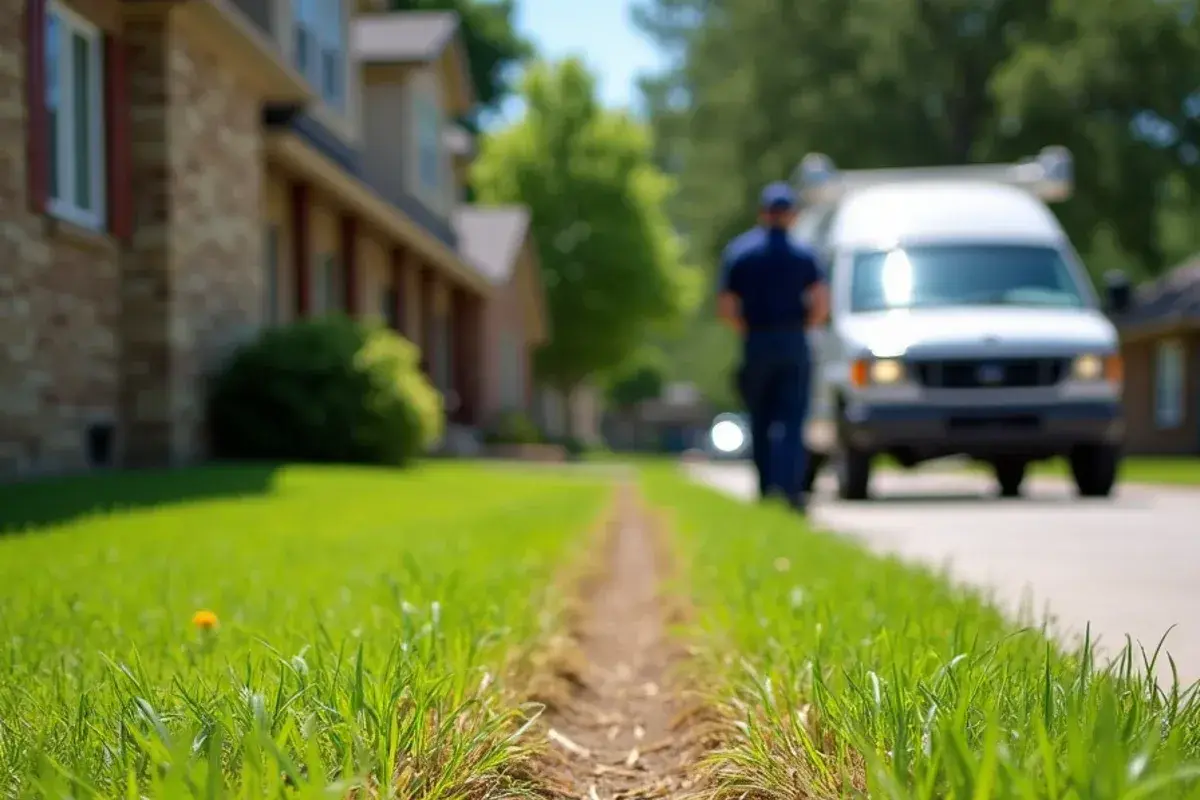
- Blowing dust, bubbling water or a strip of dead grass over a buried gas line
Smell is not reliable for everyone. Atmos notes that a cold, sinus trouble, allergies, tobacco, alcohol, some medications, or simply getting used to an odour can dull it. A methane detector adds a layer of warning, but Atmos says it does not replace your own senses.
Two other smells fool people. A dry floor drain or a little-used shower can let sewer gas into a room. Hot water that smells of sulphur usually comes from a reaction inside the water heater. Neither is a gas leak, but you cannot tell them apart safely by sniffing harder. Leave first and let the utility rule gas out.
From the trade
What a plumber checks once the utility has made it safe
The utility finds and stops the danger. Fixing the piping on your side of the meter is a separate job.
Atmos is clear about ownership: the gas piping from its meter to your home is your responsibility to maintain. When the technician finds a leak on that side, they will often shut off or lock the meter, or tag the leaking appliance, until a plumber repairs it.
Most indoor leaks start at a joint, not in the middle of a pipe. Ranges get pulled out for cleaning and the flex connector kinks. Water heaters sit in hot, dusty garages where unions and the gas control loosen over years.
| Leak point | Why it fails | Usual repair |
|---|---|---|
| Range or dryer flex connector | Kinked or crushed when the appliance moves | New connector and a leak test at both ends |
| Water heater gas control or union | Heat cycles loosen joints over years | Re-make or replace the fitting, test the control |
| Old uncoated brass connectors | Flare joints crack with age | Replace with a modern coated connector |
| Buried steel yard line | Corrosion where coating has failed | Replace the run, often with approved plastic pipe |
| Outdoor kitchen or fire pit line | Added later, sometimes without a pressure test | Re-pipe to code and test the whole branch |
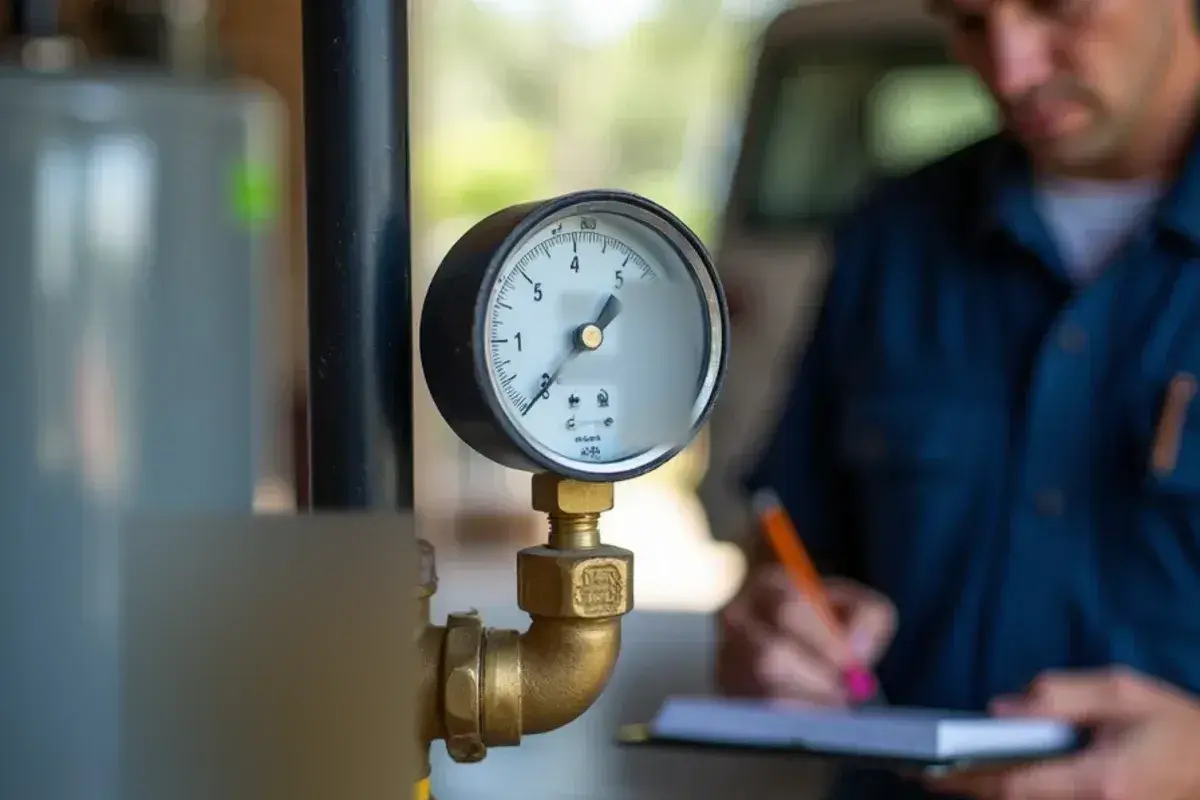
A proper gas line repair ends with a pressure test of the house piping on a gauge, not just soapy water on one joint. New lines and major repairs need a city permit and inspection across most of this area, and we pull it when the job requires one.
Atmos’s service restoration guidance says piping and appliances must pass a safety check, and an adult must be present when gas is turned back on. Plan to be home for that visit.
Local utilities
Who to call for gas in Round Rock, Pflugerville and nearby
Save the right emergency number today, before you ever need it.
Atmos Energy delivers natural gas to Georgetown and to many neighbouring cities. Local reporting on Atmos Mid-Tex rate cases names both Round Rock and Pflugerville among the cities it serves. If your bill names a different gas company, use that company’s emergency number instead.
Digging is the other big risk. Texas law requires a call to 811 at least two business days before you dig. Atmos notes that 811 marks utility-owned lines, so a buried line from your meter to a detached garage or outdoor kitchen may need separate locating.
Older homes deserve a closer look. Round Rock has many 1970s and 1980s neighbourhoods, and Pflugerville’s subdivisions date from the 1980s onward. In a house that age, have the appliance connectors and any buried steel line checked during the next water heater or range swap.
Prevention
How do you lower the risk of a gas leak at home?
Most of this costs nothing and takes an afternoon.
Gas safety checklist for the house
- Save 911 and Atmos Energy’s emergency number, 866.322.8667, in every phone
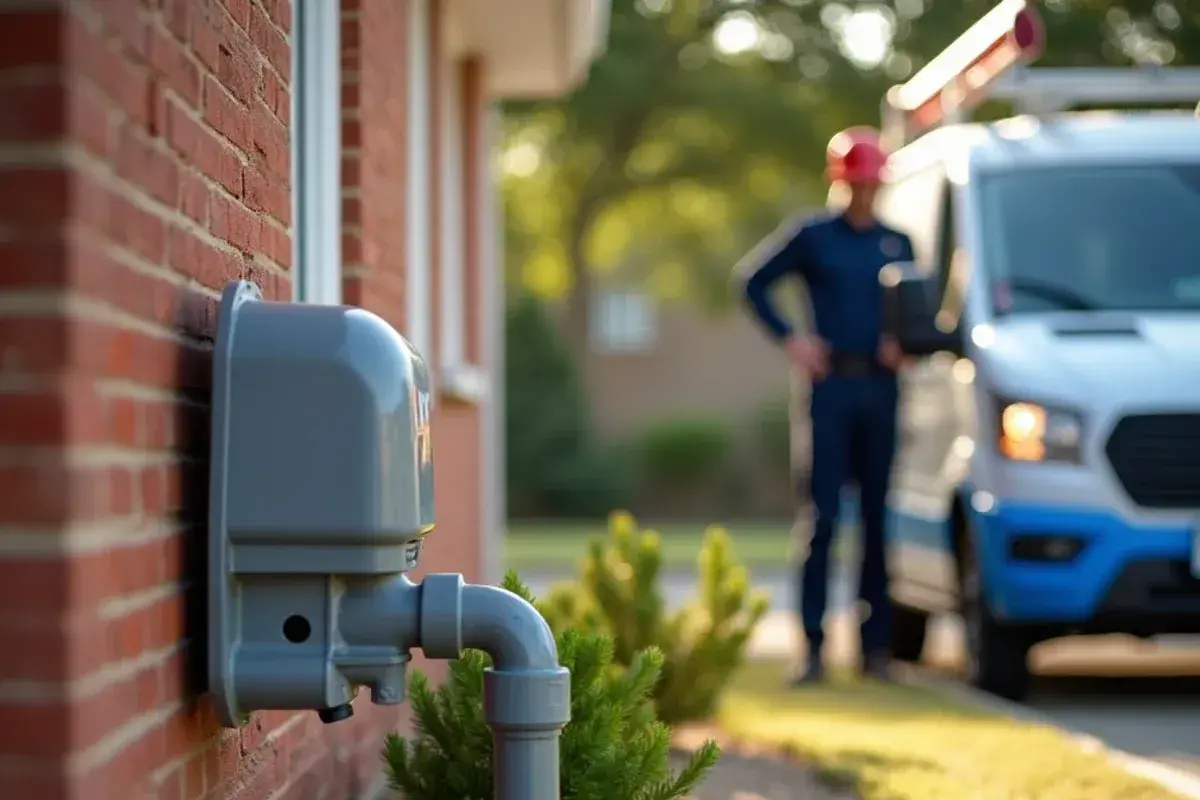
- Find the gas meter so you can describe its location, but leave its valve alone
- Replace appliance connectors whenever you replace the range, dryer or water heater
- Keep the water heater closet or garage corner clear of paint, fuel and boxes
- Have buried gas piping inspected periodically, as Atmos recommends
- Fit carbon monoxide alarms near bedrooms; they warn of combustion problems, not leaks
- Consider a methane detector as an extra layer, not a replacement for your nose
Never use a gas range or oven to heat the house, even during a freeze. That is a carbon monoxide risk rather than a leak risk, and no cold night makes it worth taking.